Is Whole-Home Surge Protection Actually Worth It?
March 5, 2025 · 8 min read · VoltGuard Master Electrician Team
The average modern home contains between $15,000 and $40,000 of voltage-sensitive electronics: televisions, computers, smart refrigerators, induction ranges, heat pump controls, EV charger boards, solar inverters, network equipment, smart thermostats, garage door openers, irrigation timers, and dozens of low-voltage devices buried in walls. A single surge event lasting a few microseconds can take all of it out at once. The question is not whether surges happen in your home — they happen weekly. The question is whether your home is protected when one of those surges crosses the threshold from "harmless" to "destructive."
Practical electrician guide: Is Whole-Home Surge Protection Actually Worth It?
Where electrical surges actually come from
Lightning gets all the press, but only about 20% of damaging residential surges come from lightning. The other 80% are generated inside the grid: utility switching operations, capacitor bank cycling, transformer failures, downed lines being reconnected, motors starting at industrial neighbors, and even large appliances in your own home cycling on and off. A central air conditioner kicking on creates a momentary voltage spike on its way back to steady state. A neighborhood-scale event like a substation breaker trip can dump thousands of volts onto your service drop for milliseconds at a time.
What a Type 2 SPD actually does
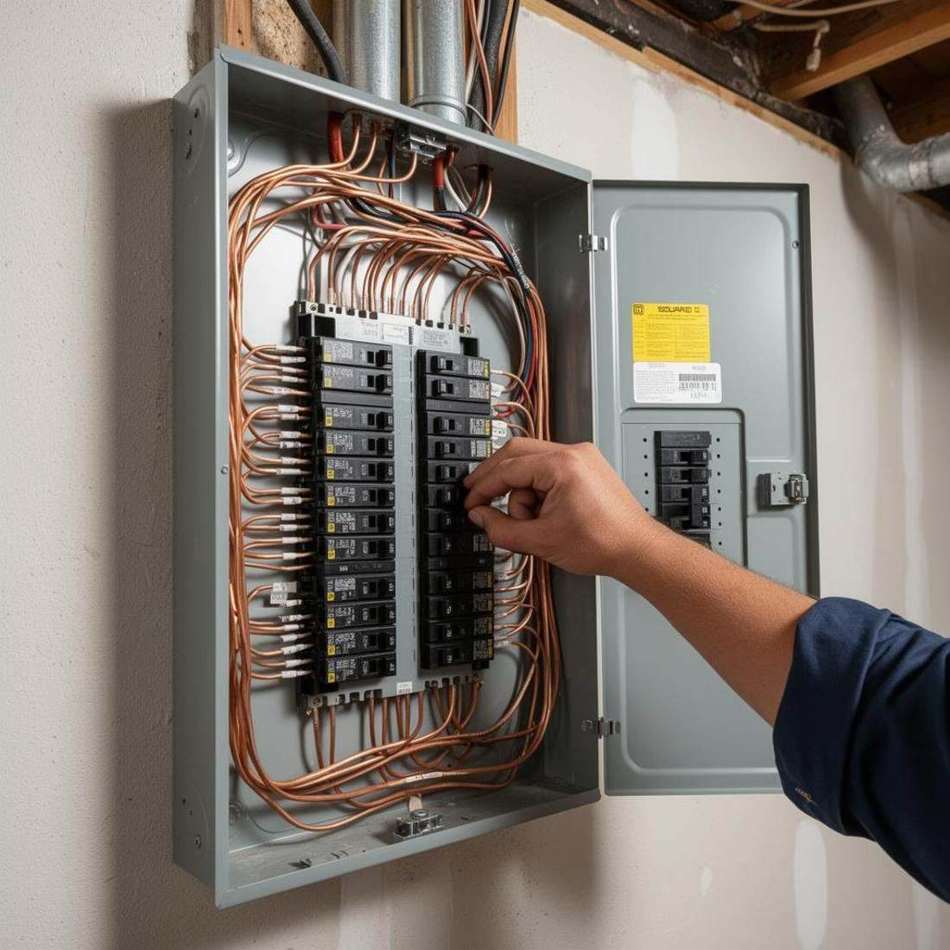
A Type 2 surge protective device (SPD) is installed at your main panel, typically on a two-pole breaker, and clamps voltage to a safe level the moment a surge tries to enter your branch circuits. Quality units like the Eaton CHSPT2ULTRA, Square D HEPD80, and Siemens FS140 react in nanoseconds and can absorb tens of thousands of amps of transient current. The device sacrifices itself over time — every surge it eats reduces its remaining capacity — and a visual indicator on the front tells you when it's time to replace.
UL 1449 (4th Edition) is the safety standard you want to see on the spec sheet. Anything below a 1.5kV voltage protection rating is well within the safe operating range of modern electronics. Anything above 6kA short-circuit current rating handles all but the most catastrophic events.
Type 1 vs Type 2 vs Type 3 — what's the difference?
- Type 1 — installed before the main breaker (on the line side). Designed to handle direct lightning strikes to the service drop. Required for some commercial and industrial installs; rare in residential.
- Type 2 — installed at the main panel on the load side of the main breaker. This is the right device for almost every home. Catches both grid-side and lightning-induced surges.
- Type 3 — point-of-use protectors (your plug-in surge strip). Protects only what's plugged into them.
Best practice is layered protection: a Type 2 SPD at the panel for whole-home coverage, plus Type 3 plug-in strips at your most expensive or sensitive electronics for an additional clamp.
The actual math
A professional Type 2 SPD install runs $350 to $600 all-in, including the device, a dedicated two-pole breaker, labor, and registration of the manufacturer's connected-equipment warranty. That warranty typically covers $25,000 to $75,000 of replacement value if the SPD fails to clamp a surge. The device itself lasts 7 to 10 years in typical conditions and longer in clean grid environments.
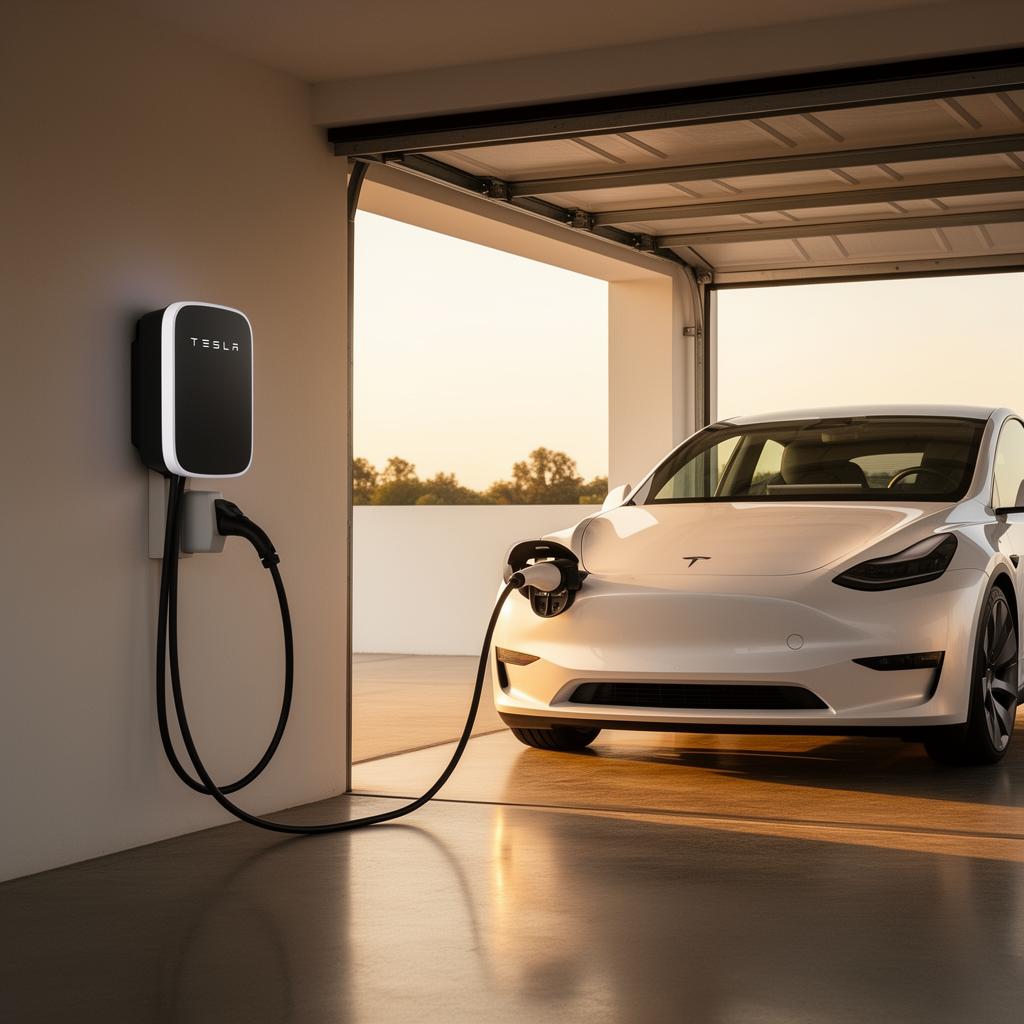
Run the math: one moderate surge event that would have destroyed a $1,200 OLED TV, a $400 refrigerator control board, and a $600 HVAC ECM motor pays for the device several times over. We've replaced more than one EV charger control board ($1,500+ and a six-week wait for the part) that would have been a $0 event with a Type 2 SPD in place.
Why power strips don't replace a panel SPD
Plug-in surge strips are Type 3 devices. They protect only what's directly plugged into them, they don't protect against surges that enter through your cable, internet, or phone lines, and they don't protect hardwired equipment — your stove, your dishwasher, your HVAC, your tankless water heater, your EV charger, your solar inverter, your washer and dryer. A panel-level SPD stops the surge before it ever reaches your branch circuits, protecting everything connected to your home's electrical system regardless of how it's wired.
What an install actually looks like
Most Type 2 SPD installs are 60 to 90 minutes on-site. We turn off the main, install a dedicated two-pole breaker with the shortest possible leads (lead length directly affects clamping speed), mount the SPD against the side of the panel, register the manufacturer warranty in your name, and label everything. Many models have a phone app or a simple LED that tells you the device is healthy.
When to schedule
If your panel has space for a two-pole breaker, you can have whole-home surge protection installed today. Call (626) 618-8360 to schedule — most installs are completed the same week, sometimes the same day.